Nose surgery planned around your face and your breathing.
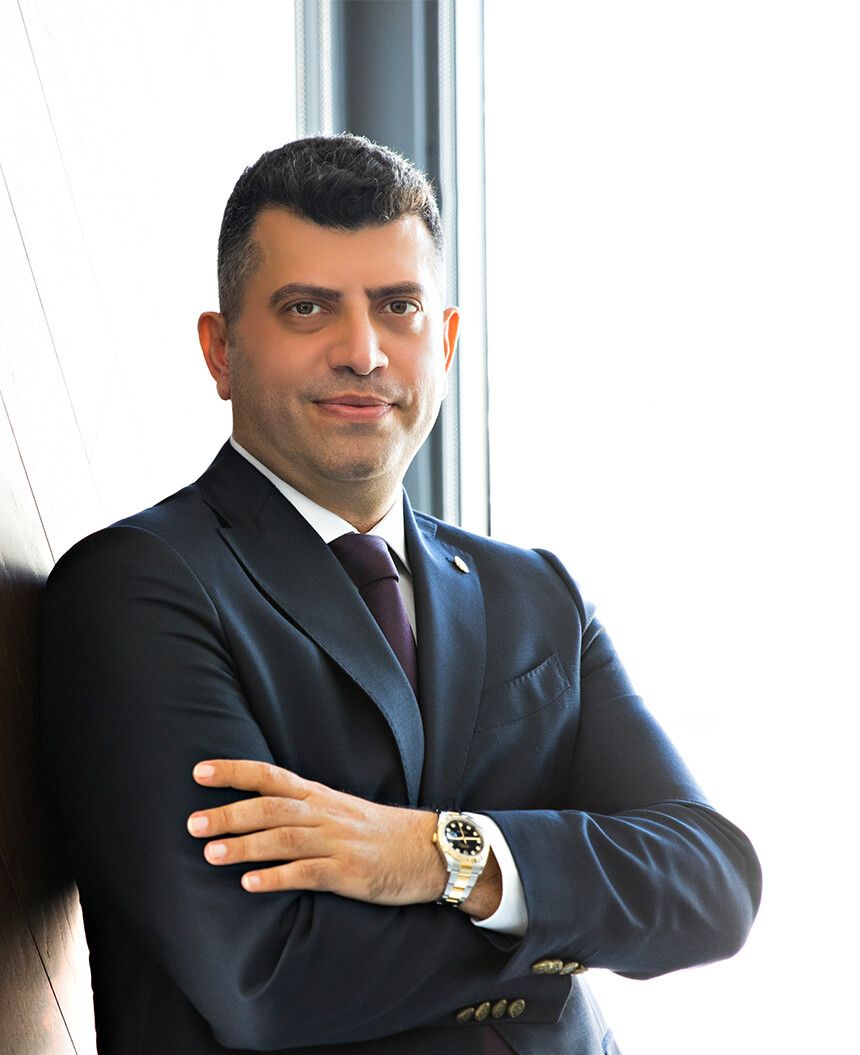
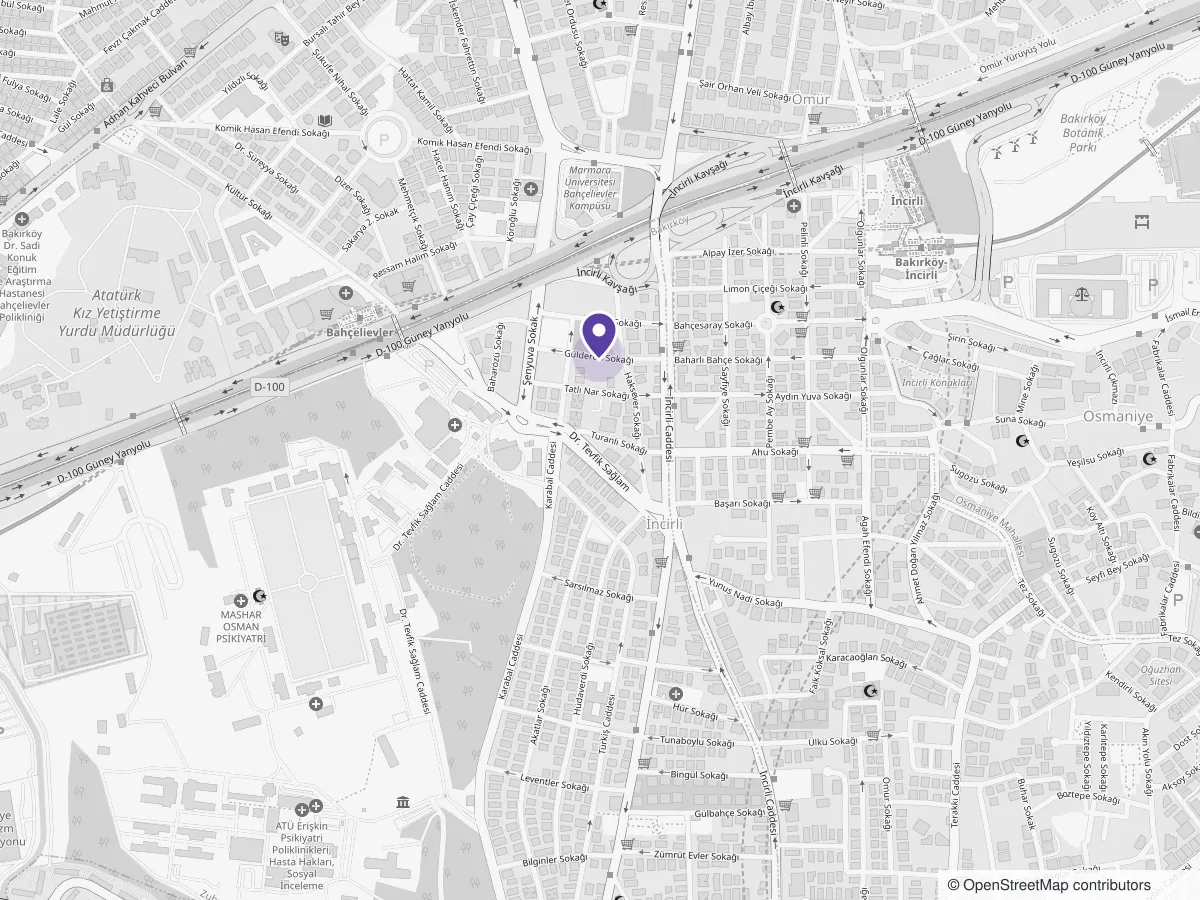
Op. Dr. Cenk Teker has been an ear, nose and throat specialist since 2001; nasal surgery is the centre of his work. Aesthetic and functional nose surgery, planned with you before it is performed. Consultation and planning take place at his practice in Bakırköy.
Authorised for international patientsRepublic of Türkiye Ministry of Health international health tourism authorisation, certificate no. ST-1827.
The plan
The plan is drawn before the nose is touched.
Every nose is analysed before it is operated on: the profile, the tip, the width, the way the nose sits between the eyes and above the lip, and how air moves through it. Dr. Teker traces the plan with you on your photographs at the consultation, so you see what is aimed for before the operation.
The profile is traced
The line from the brow to the lip is drawn on your photographs, as it is today.
Proportions are measured
The bridge, the tip and the angles the nose makes with the forehead and the lip are measured against your own face.
The plan is drawn with you
The line aimed for is drawn over yours, so you see what is planned before the operation. Breathing is checked in the same examination.
nasion The deepest point between the forehead and the nose, where the bridge begins.
dorsum The bridge, from the brow to the tip: a hump or a scooped line shows here first.
tip How far the tip stands out from the face, and whether it points up or down, changes the whole profile.
nasolabial angle The angle between the base of the nose and the upper lip: it reads as a lifted or a drooping tip.
TodayPlanned
A simplified drawing of a planning step: not a patient and not a result. In every surgical or interventional procedure, results may vary from person to person; a detailed opinion from your physician before the procedure is recommended.
Measured against your face
Proportions are measured against your own features, and the plan follows them.
Breathing comes first
The septum, the turbinates and the nasal valves are checked in every rhinoplasty and corrected in the same operation when needed.
The same surgeon, start to finish
Dr. Teker examines you, plans with you, operates and follows you up himself.
Procedures
From the nose to the throat, the same specialist.
Rhinoplasty and its variants, the airway operations that go with it, and the ear and throat operations of an ENT specialist.
Dr. Teker carries out every step himself, from the consultation to the operation and the check-ups. This is the order.
Requesting an appointment
Write on WhatsApp or call; the practice suggests a day and time that suit you. Medical details are discussed at the consultation, not by message.
Examination and endoscopy
Dr. Teker examines your nose from every angle on the outside and assesses the septum, the turbinates and the nasal valves from the inside with a thin endoscope.
Planning
Measurements are taken on your standardised photographs; what can change and what cannot is discussed openly, and you decide together on a written plan.
Surgery
Performed by Dr. Teker in hospital, under general anaesthesia. You usually stay one night.
Check-ups
The splint and tapes come off around day seven. Later check-ups follow the stages of healing; for questions in between you can call the practice.
If you are travelling from abroad, your dates and the length of your stay are agreed by message before you leave home; the examination and the plan are made in person.
Write on WhatsApp or call; the practice suggests a day and time for a consultation. Your name and what you would like an appointment for are enough in the message. Medical details are discussed at the consultation.
Open or closed rhinoplasty: which is better?
Neither is better in every case. The closed technique, with incisions inside the nostrils, suits limited changes to the bridge. The open technique adds a short incision under the tip and gives more control when the tip is rebuilt or a previous operation is corrected. Dr. Teker chooses the technique by what your nose needs.
Is rhinoplasty painful?
After surgery you may feel pressure, a blocked nose and pain. Simple painkillers are usually enough for the first days. Throat operations such as tonsillectomy are more uncomfortable, for about ten days.
What happens at the consultation?
Dr. Teker examines your nose from every angle on standardised photographs and looks inside with a thin endoscope to check the septum, turbinates and valves. He explains what is realistic for your skin and cartilage and agrees a written plan with you. Allow about an hour.
Reading
Before you decide.
Practical articles on rhinoplasty, recovery and breathing, written for patients.
 Authorised for international patientsRepublic of Türkiye Ministry of Health international health tourism authorisation, certificate no. ST-1827.
 Get directions